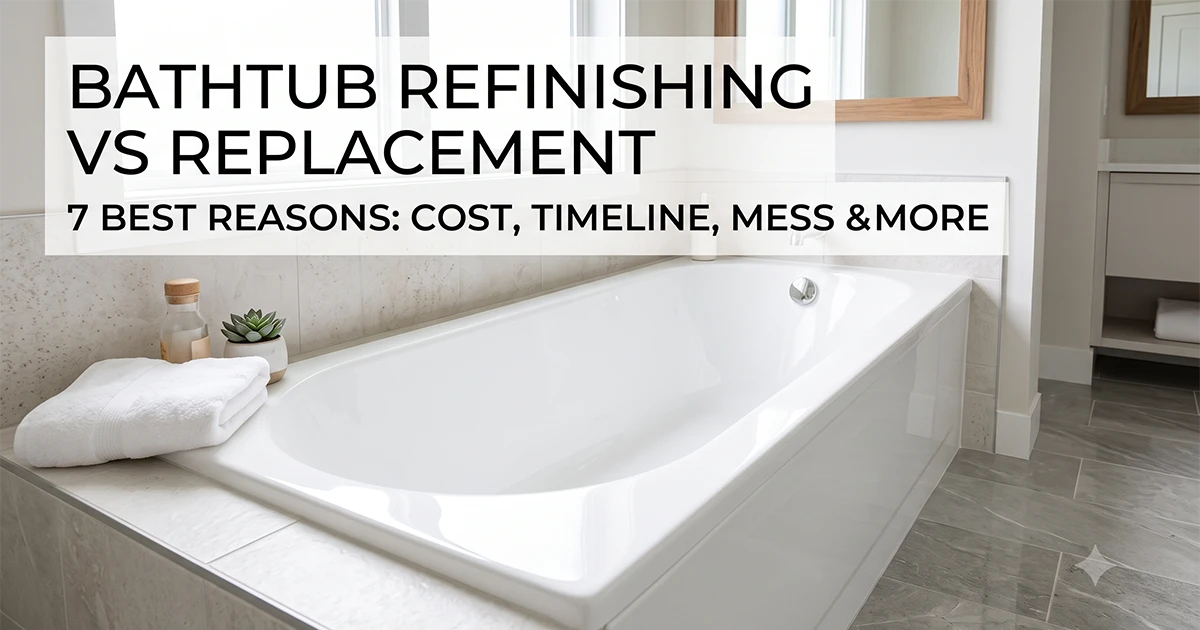
When your bathtub looks stained, chipped, dull, or outdated, it is natural to wonder whether you should replace it completely. A worn tub can make the entire bathroom feel older than it really is, even if the rest of the room is clean and functional.
But replacement is not always the best first option. A full bathtub replacement can involve demolition, plumbing work, tile repair, flooring adjustments, disposal costs, and days of disruption. For many homeowners and property managers, bathtub refinishing vs replacement is worth comparing before committing to a larger renovation.
Professional bathtub refinishing, also called bathtub resurfacing or bathtub reglazing, restores the surface of your existing tub without removing it. When the bathtub is still structurally sound, refinishing can improve the appearance, extend the usable life of the surface, and provide a cleaner bathroom without the cost and mess of a full replacement.
Why Bathtub Refinishing vs Replacement Matters
The decision between refinishing and replacement is not just about appearance. It is also about budget, timeline, disruption, and whether the existing bathtub still has useful life left.
Replacement may be necessary when there are serious structural problems, leaks, severe water damage, or a need to change the entire bathroom layout. But if the main problem is cosmetic, such as staining, discoloration, minor chips, or a worn finish, bathtub refinishing may be the more practical solution.
For homeowners searching for “bathtub refinishing near me,” the real question is usually simple: can this tub be restored without tearing up the bathroom? In many cases, the answer is yes.
1. Refinishing Can Be More Affordable Than Replacement
Cost is one of the biggest reasons people compare bathtub refinishing vs replacement. Replacing a tub usually involves more than buying a new bathtub. Once the old tub is removed, there may be costs connected to plumbing, tile, wall repair, flooring, hauling, and installation.
Refinishing avoids many of those expenses because the existing tub stays in place. The process focuses on repairing and restoring the visible surface instead of removing the entire fixture.
For a general homeowner cost comparison, resources like The Spruce’s bathtub refinishing cost guide explain that refinishing is often chosen as a more cost-conscious alternative when the tub has cosmetic damage rather than major structural issues.
That does not mean refinishing is right for every bathtub. It does mean you should not assume replacement is your only option before getting a professional opinion.
2. Refinishing Usually Creates Less Mess
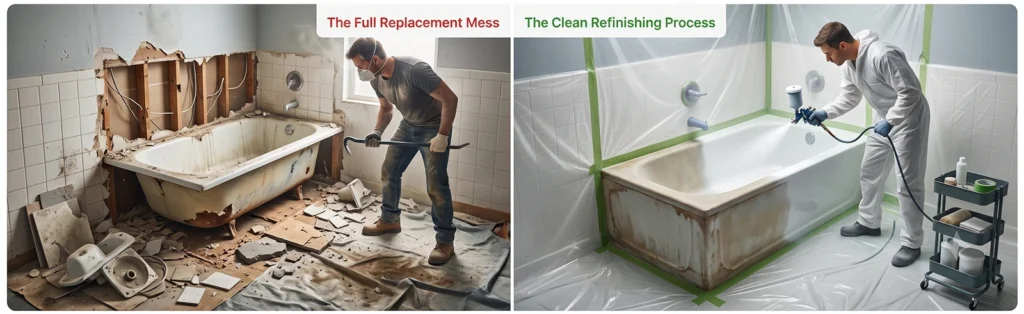
A full replacement project can disturb more of the bathroom than many homeowners expect. Removing a tub may affect surrounding tile, walls, flooring, plumbing connections, and nearby fixtures.
Bathtub resurfacing keeps the tub in place. The surface is cleaned, repaired, prepared, coated, and allowed to cure. Because there is no need to remove the bathtub, the project usually involves less disruption than a full replacement.
This is especially helpful in homes with one main bathroom, rental properties with tight turnover timelines, and commercial settings where downtime matters.
3. Refinishing Can Restore the Look of a Worn Tub
Bathtub refinishing is designed to improve the visible surface of the tub. It can help with common issues such as dullness, staining, worn finish, outdated colors, minor chips, and surface imperfections.
The goal is not to make unrealistic promises or claim the tub becomes brand new. A better way to think about it is this: refinishing restores the look of the surface and helps the bathtub feel cleaner, smoother, and more updated.
When homeowners compare bathtub refinishing vs replacement, this is often the deciding factor. If the tub still functions well but looks bad, refinishing may solve the real problem without turning the bathroom into a construction zone.
4. Professional Refinishing Can Be Better Than DIY Kits
DIY bathtub reglazing kits may seem appealing because they appear inexpensive. But tub refinishing depends heavily on surface preparation, bonding, product quality, application technique, ventilation, and curing time.
A professional refinishing service is usually better equipped to handle cleaning, sanding, repairs, masking, coating, and finishing. Small mistakes during a DIY project can lead to peeling, uneven texture, brush marks, or poor adhesion.
That is why many homeowners choose professional bathtub refinishing services instead of trying to handle the project themselves.
A DIY kit may work for some small projects, but for a bathroom surface used every day, professional bathtub refinishing is often the smarter choice.
5. Refinishing Can Be a Strong Option for Tile and Showers Too
The conversation is not limited to bathtubs. Bath Tub Refinishing Pro also provides bathroom surface refinishing for tile, showers, and commercial bathroom surfaces.
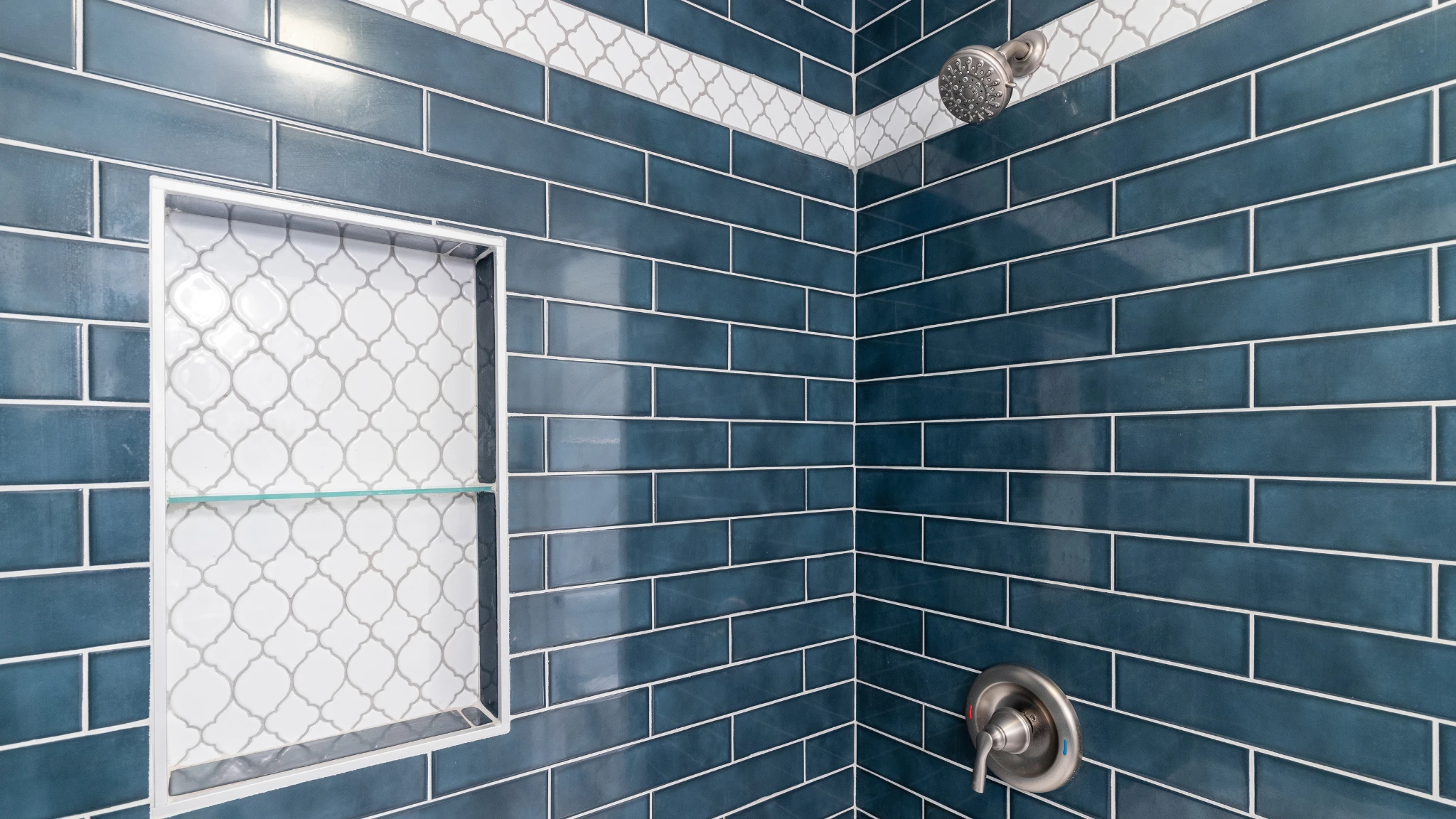
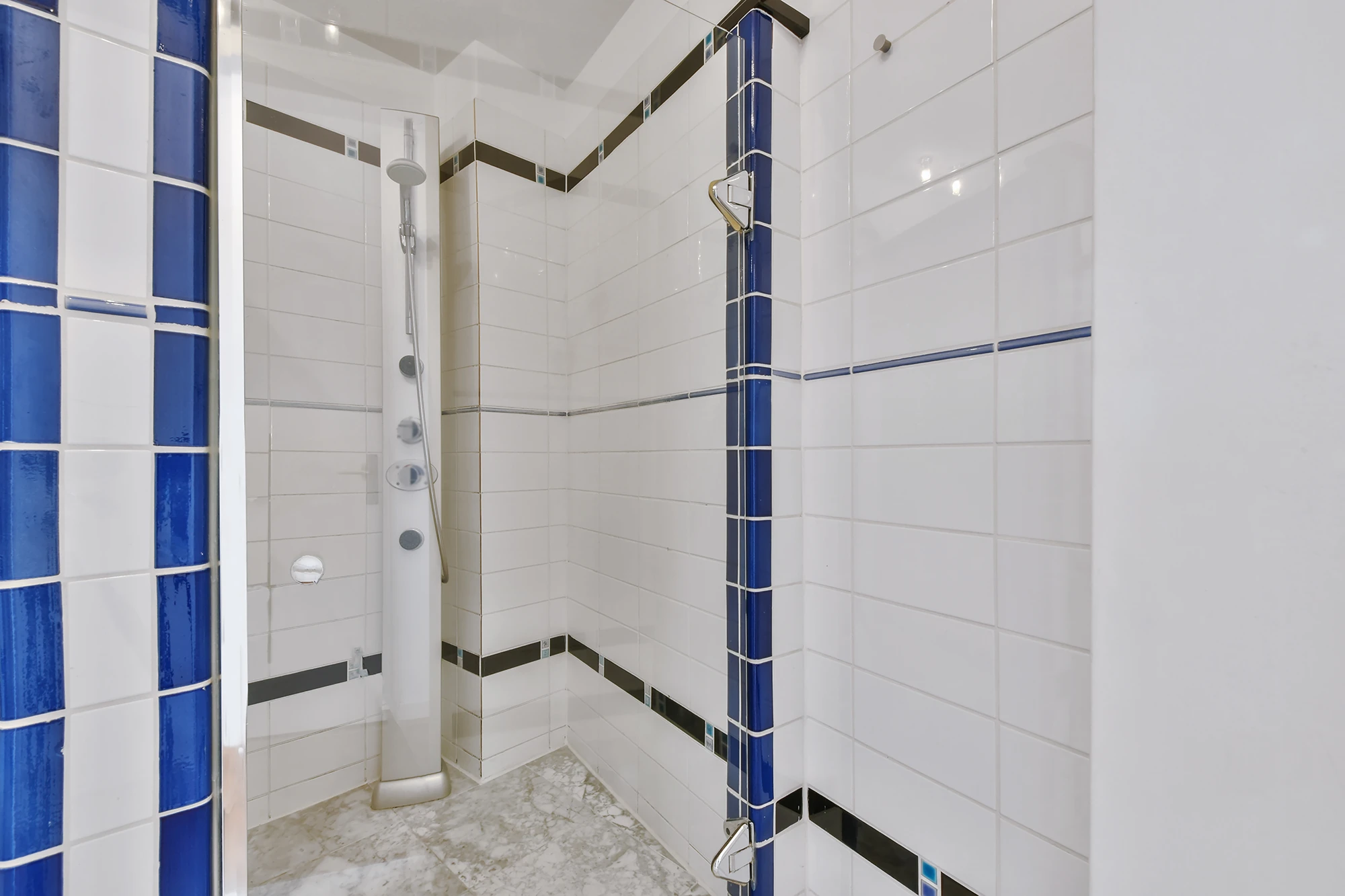
Tile refinishing can be helpful when the tile is firmly installed but looks outdated, stained, or worn. Instead of removing tile and creating a larger renovation project, refinishing can refresh the surface and help the bathroom feel more cohesive.
This matters because many bathrooms look dated due to a combination of worn tubs, old tile colors, and tired surfaces. In those cases, tub refinishing and tile refinishing may work together as a practical bathroom renovation alternative.
6. Commercial Bathtub Refinishing Can Reduce Downtime
For property managers, hotels, apartment communities, and multi-unit properties, the bathtub refinishing vs replacement decision often comes down to time and efficiency.
Replacing multiple bathtubs can be expensive and disruptive. Commercial bathtub refinishing can help restore bathrooms more efficiently, especially when the surfaces are worn but still structurally usable.
Bath Tub Refinishing Pro offers commercial bathroom refinishing services for apartments, hotels, and multi-unit properties. This can help property owners improve bathroom appearance while avoiding unnecessary replacement costs and extended downtime.
For commercial properties, a refinished tub can support cleaner presentation, better tenant or guest experience, and faster unit turnover.
7. Refinishing Helps Extend the Life of Existing Bathroom Surfaces
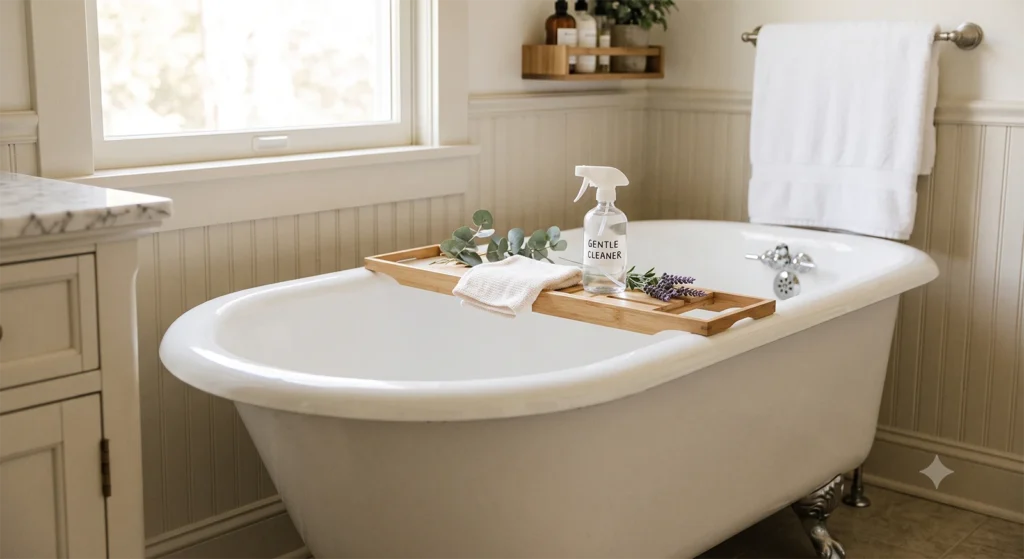
A refinished bathtub still needs proper care. Harsh abrasive cleaners, suction bathmats, standing water, and rough scrubbing can reduce the life of the finish. Gentle cleaning and proper maintenance help protect the surface after refinishing.
A helpful overview from Better Homes & Gardens explains that bathtub refinishing can be a cost-effective way to extend the life of an existing tub when the damage is mainly cosmetic.
This is one of the biggest advantages of refinishing. It gives homeowners and property owners a way to improve a bathroom now without immediately committing to a full replacement.
When Replacement May Still Be the Better Option
Bathtub refinishing is useful, but it is not the right solution for every situation.
Replacement may be better when the tub has major structural damage, serious rust-through, leaks, unstable flooring underneath, or surrounding water damage. Replacement may also make more sense if you want to change the bathroom layout, replace a tub with a walk-in shower, or complete a full bathroom remodel.
A reliable refinishing company should help you understand the difference. The best choice depends on the actual condition of your bathtub, not just the age of the bathroom.
Bathtub Refinishing vs Replacement: Which Should You Choose?
The simplest way to decide is to look at the real problem.
If the bathtub is structurally sound but looks stained, chipped, faded, or outdated, refinishing may be a smart and affordable bathtub replacement alternative. If the tub is leaking, damaged beyond repair, or part of a larger layout change, replacement may be the better long-term investment.
For many homeowners in Asheville, Atlanta, Knoxville, Columbia, Greenville, Spartanburg, and surrounding communities, professional bathtub refinishing offers a practical middle ground. It improves the look of the bathroom without the cost, mess, and timeline of full replacement.
FAQs About Bathtub Refinishing vs Replacement
In most customer conversations, bathtub refinishing, bathtub resurfacing, and bathtub reglazing refer to the same general service: restoring the surface of an existing bathtub with a new finish.
Bathtub refinishing is often more affordable than replacement because the existing tub stays in place. This can reduce demolition, plumbing, tile repair, disposal, and installation costs.
If your tub is structurally sound but stained, chipped, dull, or outdated, refinishing may be a good option. If there are leaks, major damage, or layout changes involved, replacement may be better.
Yes. Commercial bathtub refinishing can be a practical option for apartments, hotels, rental properties, and multi-unit facilities when the tubs are worn but still usable.
You can contact Bath Tub Refinishing Pro to request a free bathtub refinishing estimate and learn whether refinishing is the right fit for your bathroom.
Request a Free Bathtub Refinishing Estimate
If your bathtub, tile, shower, or bathroom surface is worn, stained, chipped, or outdated, Bath Tub Refinishing Pro can help you compare bathtub refinishing vs replacement and choose the option that makes the most sense for your space.
Contact Bath Tub Refinishing Pro today to request your free estimate and learn whether professional bathtub refinishing is the right fit for your home, rental property, or commercial bathroom.