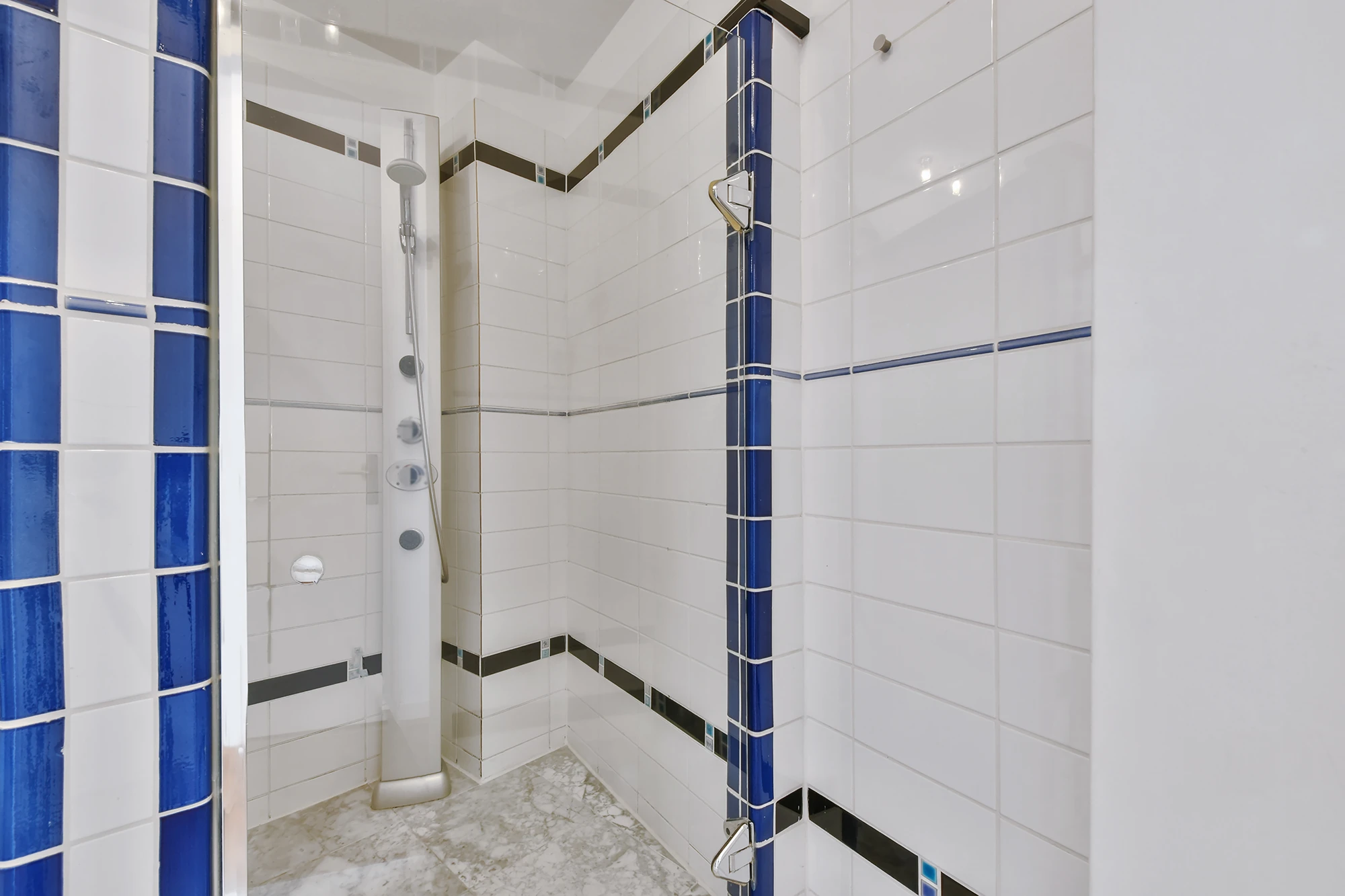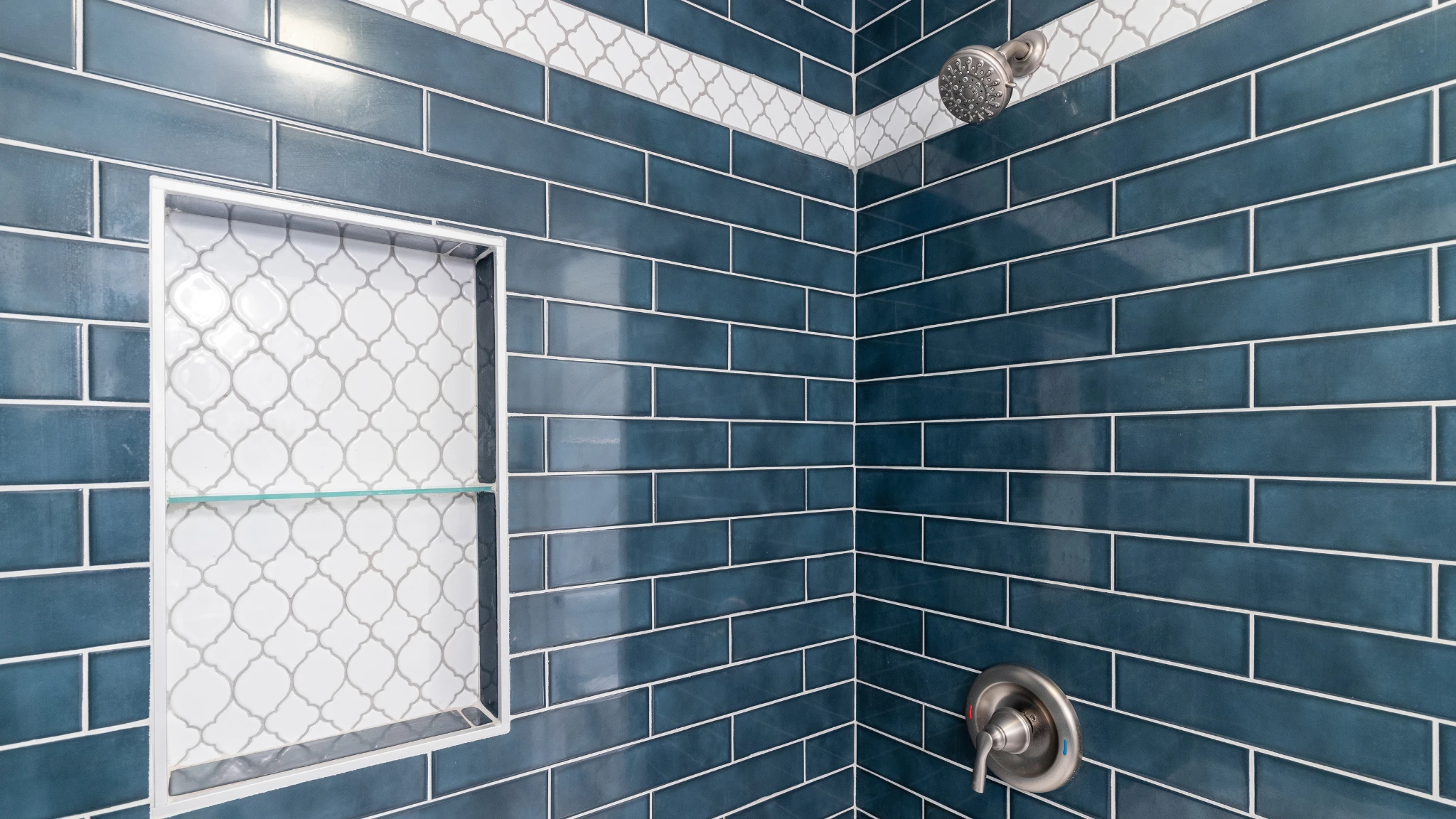
Old bathroom tile can make an otherwise functional bathroom look dated, stained, or difficult to maintain. The color may belong to another decade. The grout lines may always look dirty. The tile may appear dull even after a thorough cleaning.
Many homeowners assume the only solution is to remove the tile and start over.
That is not always necessary.
Professional bathroom tile refinishing can restore the appearance of structurally sound tile without the demolition, debris, and extended timeline of full replacement. Also called tile reglazing or tile resurfacing, the process applies a new finish over the existing tile to create a cleaner, smoother, and more updated surface.
Before deciding whether to refinish or replace your bathroom tile, here are seven important things to understand.
Table of Contents
- What professional bathroom tile refinishing involves
- Which bathroom surfaces can be refinished
- When refinishing makes sense
- What refinishing can and cannot repair
- How refinishing compares with replacement
- What the finished tile will look like
- How to care for refinished bathroom tile
- Frequently asked questions
1. How Professional Bathroom Tile Refinishing Restores the Existing Surface
Professional bathroom tile refinishing does not remove the existing tile. Instead, a trained technician prepares and coats the visible surface.
Although the exact process can vary based on the tile and its condition, professional refinishing generally includes:
- Inspecting the tile and surrounding area
- Removing soap scum, oils, mineral deposits, and residue
- Repairing minor chips or surface imperfections
- Preparing the tile so the coating can bond properly
- Protecting fixtures and nearby surfaces
- Applying the professional coating system
- Allowing the new finish to cure
The new surface can cover outdated colors, staining, dullness, and normal cosmetic wear. Professional bathroom tile refinishing can give bathroom walls, bathtub surrounds, and other tiled surfaces a brighter and more consistent appearance.
Preparation is especially important. Tile is naturally smooth and nonporous, so the coating must be applied over a properly cleaned and prepared surface.
Rushed or incomplete preparation can contribute to weak adhesion, uneven texture, or premature peeling. That is one reason professional refinishing usually produces a more reliable result than a basic do-it-yourself tile-painting kit.
2. Several Types of Bathroom Tile Can Be Refinished
Professional bathroom tile refinishing is commonly used on ceramic tile and tiled bathroom surrounds. Depending on the material and its condition, refinishing may also be appropriate for other bathroom surfaces.
Common applications include:
- Bathroom wall tile
- Bathtub surrounds
- Shower surrounds
- Ceramic tile
- Cultured marble surfaces
- Backsplash tile
- Some vanity surfaces
- Tile in rental and commercial bathrooms
A professional should inspect the surface before recommending professional bathroom tile refinishing. The technician needs to determine whether the tile is secure, dry, and suitable for the coating system.
Loose tile, active moisture intrusion, severe structural movement, or extensive water damage may need to be corrected before cosmetic refinishing is considered.
The important distinction is between an appearance problem and an underlying construction problem.
Refinishing can improve the visible surface. It cannot correct hidden leaks, unstable walls, extensive mold, or tile that is separating from the material behind it.
3. Refinishing Makes Sense When the Tile Is Sound but Outdated
Professional bathroom tile refinishing is often a practical option when the tile still functions properly but no longer fits the appearance you want.
Your bathroom may be a good candidate for refinishing when:
- The tile color looks outdated
- The finish appears dull or faded
- Stains remain after normal cleaning
- The tile has minor chips or surface wear
- The bathroom needs a visual update
- You want to avoid demolition
- You need a faster renovation option
- The tile is firmly attached and structurally sound
- You are preparing a home for sale
- You are updating a rental unit, apartment, or hotel bathroom
Professional bathroom tile refinishing can be especially useful when an older tile color dominates the room.
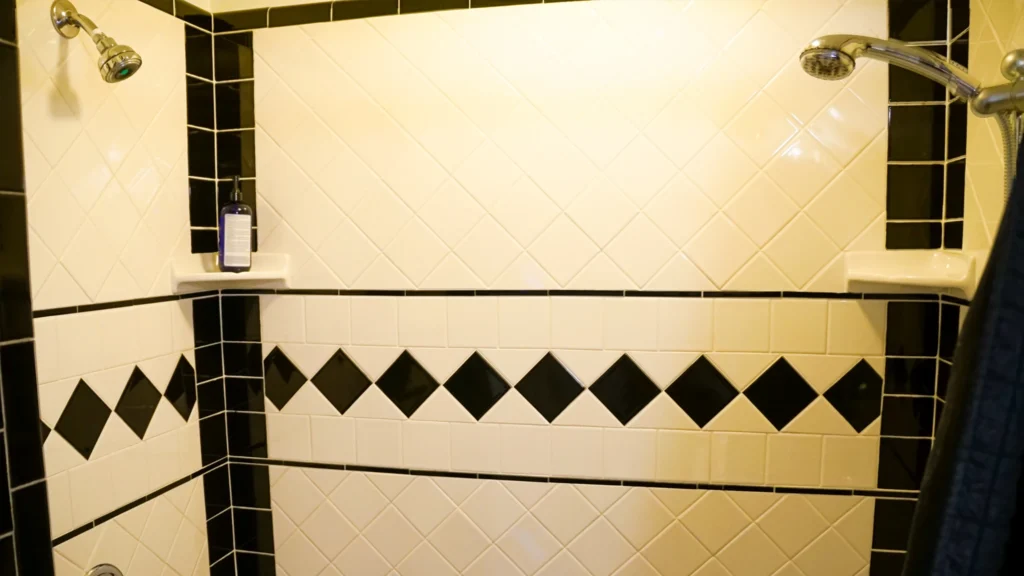
Pink, blue, green, beige, and dark tile may still be in good physical condition even though the style no longer matches the rest of the property. Changing the visible surface color can make the room feel cleaner and more current without removing every tile.
This makes refinishing different from a full remodel.
A remodel may change the materials, layout, plumbing, fixtures, and overall structure of the room. Refinishing focuses on restoring and updating the surfaces already in place.
4. Tile Refinishing Can Address Cosmetic Problems, Not Every Problem
Professional bathroom tile refinishing can cover or improve many common cosmetic concerns.
These may include:
- Stubborn discoloration
- Worn-looking surfaces
- Minor scratches
- Small chips
- Outdated colors
- Uneven appearance
- Tile that never looks clean
- Normal surface wear
During professional bathroom tile refinishing, minor repairs are often completed before the coating is applied. This helps create a smoother and more uniform finished appearance.
However, refinishing has limitations.
Replacement or deeper repairs may be more appropriate when:
- Several tiles are loose or falling
- Water is entering the wall
- The wall behind the tile is damaged
- Large sections are cracked
- Mold is present behind the tile
- The bathroom layout needs to change
- Plumbing must be relocated
- The tile substrate is unstable
- You want a completely different tile pattern or texture
A reputable refinishing professional should be willing to explain these limitations.
Refinishing should not be used to hide a moisture problem or avoid a repair the bathroom genuinely needs. The right solution depends on the condition beneath the visible surface, not just the color of the tile.
5. Tile Refinishing Usually Requires Less Disruption Than Replacement
Replacing bathroom tile can involve more than purchasing new tile.
The project may also require:
- Demolition
- Debris removal
- Wallboard or substrate repairs
- Waterproofing work
- Tile installation
- Grouting
- Sealing
- Fixture removal
- Plumbing adjustments
- Multiple contractors
- Several days of limited bathroom access
Professional bathroom tile refinishing keeps the existing tile in place. This reduces the need to tear into walls or remove surrounding materials.
For many projects, that means:
- Less construction debris
- Less noise
- Fewer disturbed surfaces
- A shorter project timeline
- Reduced bathroom downtime
- Lower overall renovation complexity
Keeping usable tile in place can also reduce the amount of material removed during a renovation. The U.S. Environmental Protection Agency recommends preserving existing structures and reusing materials where practical as part of reducing construction and demolition waste.
That link is a normal followed link. Do not add “nofollow” in the WordPress link settings.
Bathtub Refinishing Pro completes many refinishing projects in one day, although the surface must still be given the recommended curing time before use. The exact schedule depends on the size of the area, the amount of repair required, and the surfaces being refinished.
The practical benefit is not only financial. Avoiding demolition can make the project easier to schedule around your household, tenants, guests, or property turnover timeline.
For property managers, hotels, and apartment communities, reduced downtime can be especially valuable. Multiple bathrooms can be updated without coordinating full demolition and reconstruction in every unit.
6. Refinished Tile Creates a Smooth, Consistent Appearance
Professional bathroom tile refinishing changes the visible surface of the tile. It can cover an outdated color and create a smooth, glossy, and more uniform finish.
White is a popular choice because it can make a bathroom feel brighter and easier to coordinate with flooring, paint, towels, vanities, and fixtures. Other colors may also be available depending on the project and coating system.
There are a few design considerations to keep in mind.
The Tile Shape Will Remain the Same
Refinishing changes the surface color and finish, not the underlying size, placement, or pattern of the tile.
For example, square wall tile will still look like square wall tile. The room can look dramatically cleaner and more updated, but refinishing will not make the tile physically larger or change the layout.
Grout Lines May Appear More Uniform
Because the refinishing system creates a consistent finished appearance, grout lines may become less visually prominent. This can be helpful when old grout colors or uneven staining make the bathroom look busy.
The Result Depends on Surface Preparation
Cleaning, repair, masking, ventilation, application technique, and curing all affect the final result.
Good preparation helps the coating bond correctly and creates a more even finish. Before scheduling professional bathroom tile refinishing, ask to see examples of completed work on surfaces similar to yours.
7. Refinished Bathroom Tile Needs Proper Care
A refinished surface should be cleaned differently from old, unfinished tile.
Abrasive cleaners and rough scrubbers can wear or scratch the new coating. Gentle, consistent cleaning is a better approach.
After the surface has fully cured, follow these general care practices:
- Use a non-abrasive bathroom cleaner
- Clean with a soft sponge or microfiber cloth
- Rinse cleaning products away thoroughly
- Avoid steel wool and aggressive scrub pads
- Avoid abrasive cleaning powders
- Do not scrape the surface with sharp tools
- Maintain proper bathroom ventilation
- Address chips or damage promptly
- Follow the technician’s specific care instructions
Do not use the shower or tiled area before the coating has completed its required curing period. Your technician should tell you exactly when the surface can be exposed to water.
Regular, gentle cleaning is usually easier on the finish than allowing soap scum and mineral buildup to accumulate and then using an aggressive product to remove it.
Proper maintenance helps protect the results of professional bathroom tile refinishing and keeps the surface looking clean.
Bathroom Tile Refinishing Versus Painting Tile
Homeowners sometimes use “refinishing” and “painting” interchangeably, but the two approaches may not produce the same result.
Basic tile painting often involves consumer paint applied with a roller or brush. The quality of the outcome can vary based on the product, preparation, moisture exposure, application method, and curing process.
Professional bathroom tile refinishing uses a more complete preparation and application system. The goal is to create stronger adhesion, a smoother appearance, and a finish designed for bathroom use.
Common problems with rushed do-it-yourself tile projects include:
- Brush or roller marks
- Missed grout lines
- Uneven coverage
- Peeling around wet areas
- Rough texture
- Poor adhesion
- Inadequate ventilation
- Extended bathroom downtime
A DIY project may look inexpensive at first, but correcting a failed coating can make future professional preparation more difficult.
Before applying anything to the tile, consider the labor, ventilation requirements, safety precautions, risk of coating failure, and finish quality you expect.
Should You Refinish or Replace Your Bathroom Tile?
Whether professional bathroom tile refinishing is the right choice depends on what you are trying to change.
Consider Bathroom Tile Refinishing When:
- The tile is secure
- The problem is mainly cosmetic
- You like the existing layout
- You want to avoid demolition
- You want a cleaner, more modern color
- You need to reduce renovation downtime
- You are working within a practical budget
Consider Tile Replacement When:
- The tile or wall is structurally damaged
- There is extensive water intrusion
- The tile is loose
- You want to change the layout
- You want a different tile shape or pattern
- The wall system needs rebuilding
- Plumbing or waterproofing needs major work
You do not need to assume that every outdated bathroom requires a full remodel.
Start by identifying whether the problem is structural, functional, or cosmetic. When the tile is structurally sound and the main concern is appearance, refinishing may provide the update you need with much less disruption.
Frequently Asked Questions About Professional Bathroom Tile Refinishing
Can Old Bathroom Tile Be Refinished?
Yes. Many older bathroom tiles can be refinished when they are securely attached and free from major structural or moisture problems. Ceramic wall tile and tile surrounds are common candidates.
Can Shower Tile Be Refinished?
Many shower tile surfaces can be refinished. The area should first be inspected for loose tile, water damage, active leaks, and other underlying problems.
Does Bathroom Tile Refinishing Cover Grout?
Professional refinishing typically creates a consistent coating over the tile and visible grout lines. This can reduce the contrast between stained grout and the surrounding tile.
Can Cracked Tile Be Refinished?
Small chips and minor surface damage may be repairable before refinishing. Large cracks, loose tile, or movement in the wall may indicate a structural issue that requires repair or replacement.
How Long Does Bathroom Tile Refinishing Take?
Many professional refinishing projects can be completed in one day. The final schedule depends on the surface area, repairs, preparation requirements, and curing time.
Always follow the technician’s instructions before exposing the refinished surface to water.
Is Refinished Tile Easy to Clean?
A smooth refinished surface can be easier to maintain when it is cleaned regularly with non-abrasive products and soft cloths or sponges.
Can Tile Refinishing Change the Tile Pattern?
No. Refinishing changes the color and visible finish, but it does not change the size, shape, placement, or physical pattern of the existing tile.
How Do I Know Whether My Tile Should Be Refinished or Replaced?
A professional inspection is the most reliable way to decide. If the tile is firmly attached and the concern is mainly cosmetic, professional bathroom tile refinishing may be appropriate. If there is hidden water damage, structural movement, or loose tile, repairs or replacement may be necessary.
Update Your Bathroom Tile Without Unnecessary Demolition
Outdated tile does not always need to be torn out.
When the surface is structurally sound, professional bathroom tile refinishing can cover worn colors, staining, and cosmetic imperfections while preserving the tile already in place.
It can reduce renovation mess, shorten the project timeline, and give the bathroom a cleaner, brighter appearance.
The first step is determining whether your tile has a cosmetic problem or a deeper structural issue.
Bathtub Refinishing Pro provides professional tile, bathtub, and shower refinishing for homeowners, property managers, hotels, apartments, and commercial properties throughout Asheville, Atlanta, Knoxville, Columbia, Greenville, Spartanburg, and surrounding communities.
Contact Bathtub Refinishing Pro to request a free, no-obligation quote and find out whether professional bathroom tile refinishing is the right option for your property.